12V Storage Backup 14.6V 8A Battery Charger
A compact 8A charger for 12V lithium, lead-acid and LiFePO4 banks in storage and backup installations, on the XM19520 platform.
| Input Voltage | 100-240V AC |
|---|---|
| Output | 14.6V 8A |
| Efficiency | >88% |
| Protection | OVP/OCP/SCP/OTP |
Overview
The XM19520 charges 12V lithium, lead-acid and LiFePO4 batteries at 8A - a compact unit for 12V storage and backup installations.
Which packs this charger suits
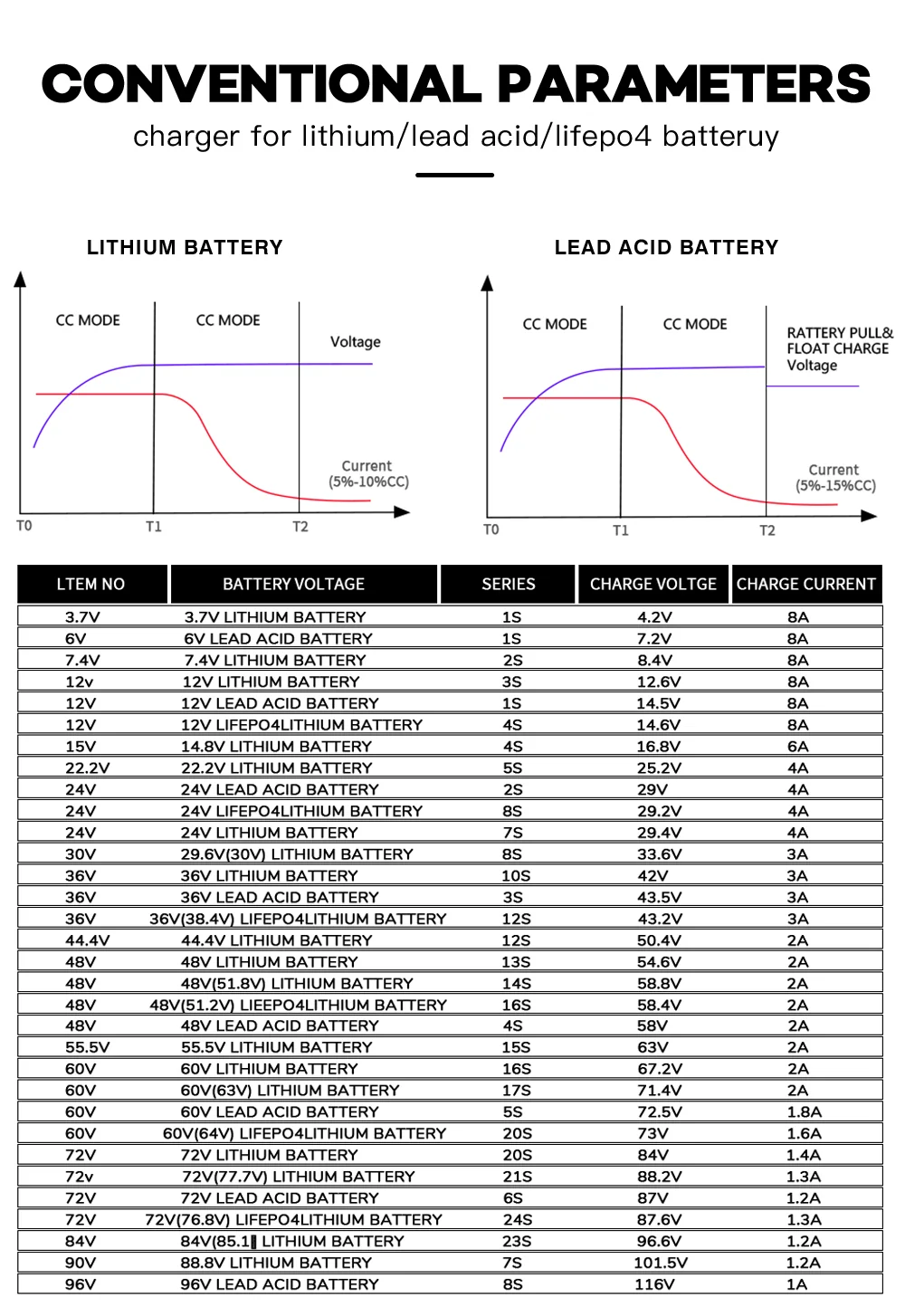
Same two outputs as the 10A YZ270: 12.6V for 3S lithium-ion (the 11.1V pack) and 14.6V for 4S LiFePO4 or 12V lead-acid absorption (14.4-14.7V).
8A is the lower-current of the two - the 10A YZ270 covers the same duty when a pack has to be turned around faster. A 3S pack must stay on 12.6V.
Specifications
Model Comparison
The 8A entry point to our multi-chemistry 12V range, covering lithium, lead-acid and LiFePO4. The YZ270 covers the same 12V multi-chemistry duty at 10A; choose the XM19520 where the lower current suits the pack.
Connectors and plugs

One unit, two output settings
12.6 V for 3S lithium-ion and 14.6 V for 4S LiFePO4 or 12 V lead-acid absorption - the same pair as the 10 A YZ270, in a compact body at 8 A. A workshop servicing mixed packs can stock one model instead of three chemistry-specific chargers, and the setting that matters is written on the case rather than buried in a menu.
Why the two settings exist
A 3S lithium-ion pack is 3 cells at 4.2 V, so 12.6 V at full charge - the pack sold as 11.1 V. A 4S LiFePO4 pack is 4 cells at 3.65 V, so 14.6 V - the pack sold as 12.8 V. Lead-acid at 12 V is 6 cells at 2.4-2.45 V, so 14.4-14.7 V. The gap between 12.6 V and 14.6 V is the difference between a 3S pack and everything else, and the 14.6 V setting on a 3S pack overcharges it.
8 A and where it fits
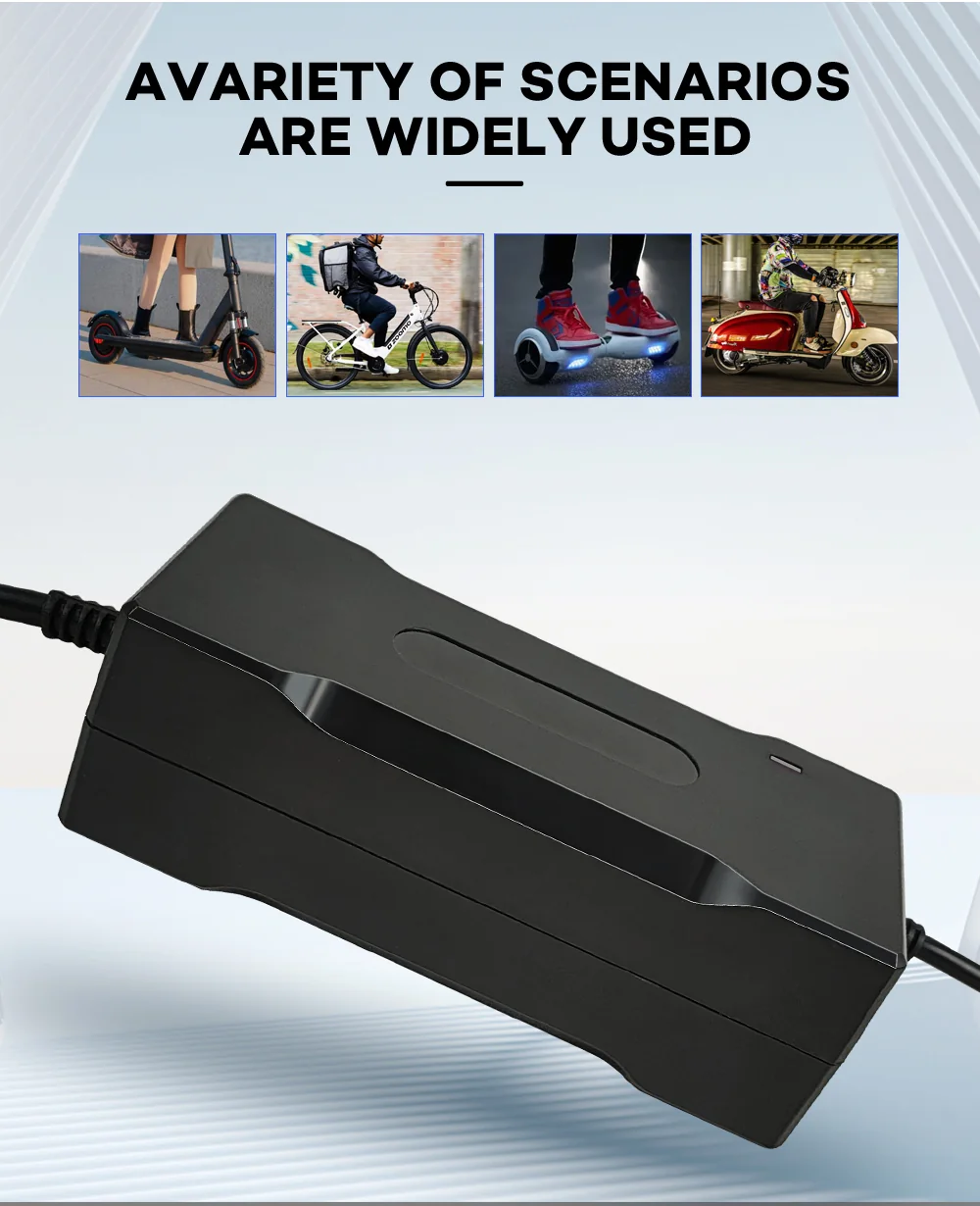
8 A suits packs from roughly 15 Ah to 100 Ah where the charge does not have to be quick: a 20 Ah pack is about two and a half hours at full current, a 50 Ah about six, a 100 Ah about twelve, each plus the taper. Storage and backup installations, where the pack sits on charge most of the time, are the natural case - the current is gentle and the unit is small.
Where it sits in the range
This is the entry point to the multi-chemistry 12 V range. The YZ270 covers the same duty at 10 A when a pack has to be turned around faster; above that the 40 A and 60 A builds take over for larger banks.
Packs this charger is not built for
It is a 12 V charger. A 24 V pack needs 29.4 V (7S lithium-ion) or 29.2 V (8S LiFePO4), and 14.6 V will not bring it up. And a 3S pack must stay on the 12.6 V setting - the series count decides the voltage, not the label on the case.
Ratings
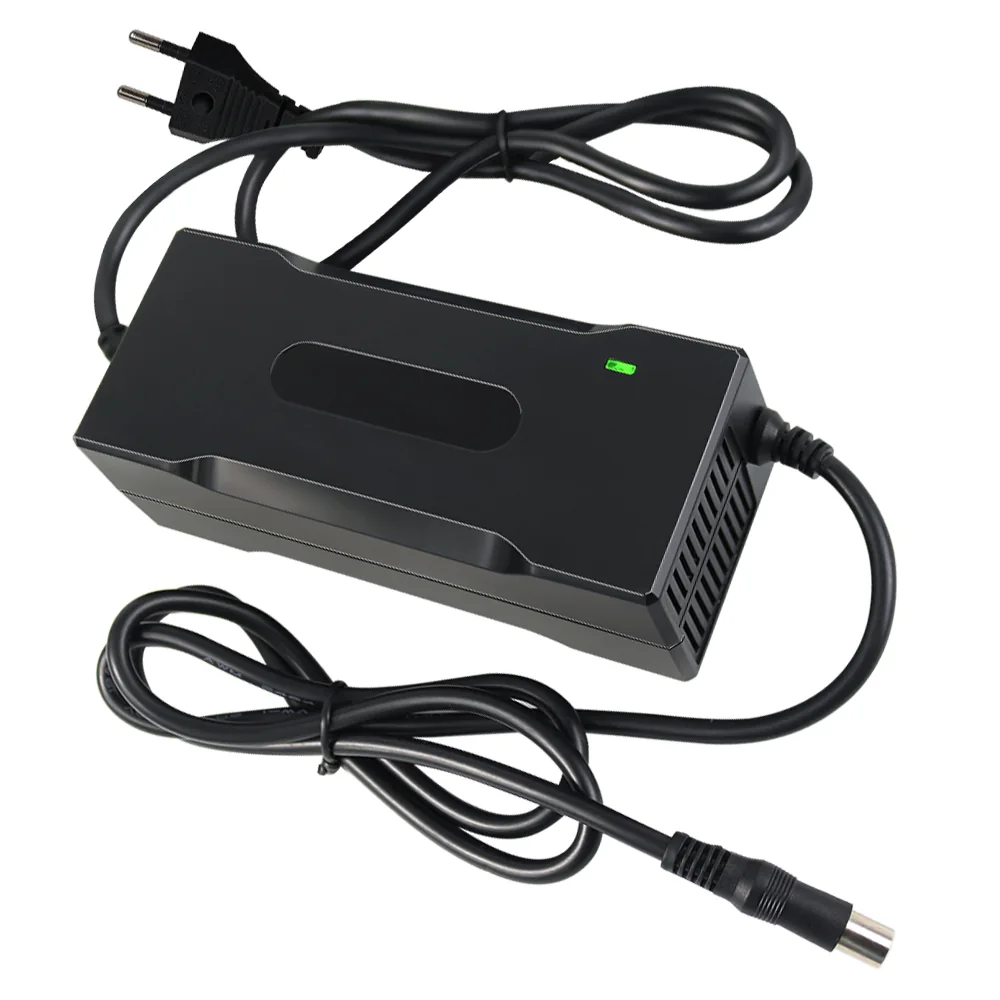
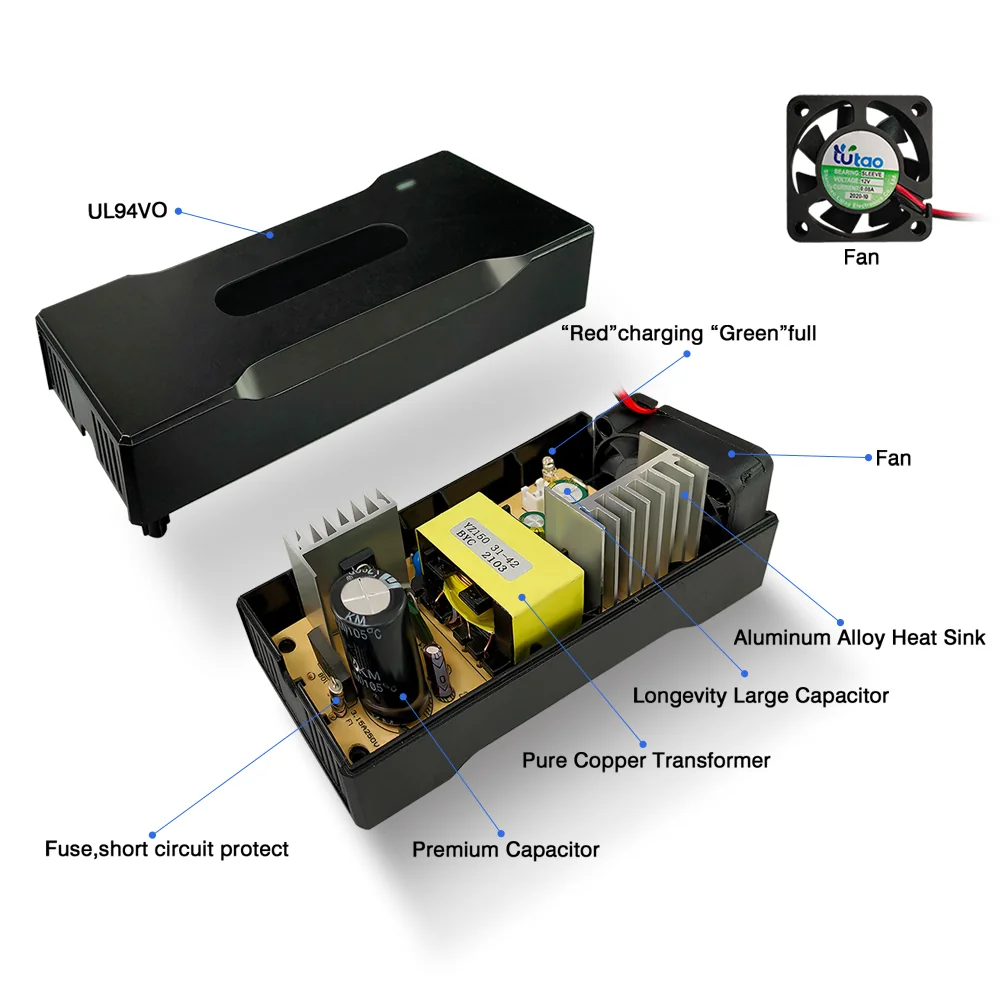
Input 100-240 V AC. Output 14.6 V at 8 A, with a 12.6 V setting for 3S lithium-ion. Efficiency above 88%. Protection: over-voltage, over-current, short-circuit and over-temperature.
MOQ / lead time / warranty · 1 unit · 10-15 working days · 1 year
FAQ
Can it charge a 12 V car battery? Yes - 14.6 V sits inside the absorption window of a 6-cell lead-acid battery. Check capacity: 8 A suits packs up to about 100 Ah.
What happens if I use 14.6 V on a 3S pack? It overcharges. Use the 12.6 V setting.
Why choose 8 A over the 10 A model? Smaller body and lower cost where charge time is not the constraint.
Related models
Other chargers built for the same battery system, from the same factory: